I was an oblivious guest of honor at a henna party the evening prior to a wedding ceremony in Morocco last month. Seated in a quiet home with a group of men without having any idea of what might happen next, I was unceremoniously spirited through circuitous alleys to a raucous celebration.
One of seven men in a room of more than four dozen jubilant women, I was placed in a prominent seat next to an energetic DJ. I was content to maintain a lowered gaze while sipping mint tea and nibbling sweet pastries.
The blare of a roving ghaita ensemble soon interrupted my hard-earned serenity. I instinctively reached for the earplugs I keep on my keychain back home, but I’d left all of my belongings- including my wallet- in a riad earlier that day.
Expecting lavish tips from the Western man, musicians immediately began exhibiting their rowdiest antics as they made imploring eye contact with me. As my hand gestures indicating I had no money weren’t working, I reflexively began shouting over the din in the only other language I know: “no tengo dinero.”
I was severely punished for being an ugly American. Out of spite, incensed drummers repeatedly banged their instruments next to my ears. Through three twenty-minute sets, I submitted to the punishment. I didn’t dare instigate an international incident by lashing out or dashing for the door.
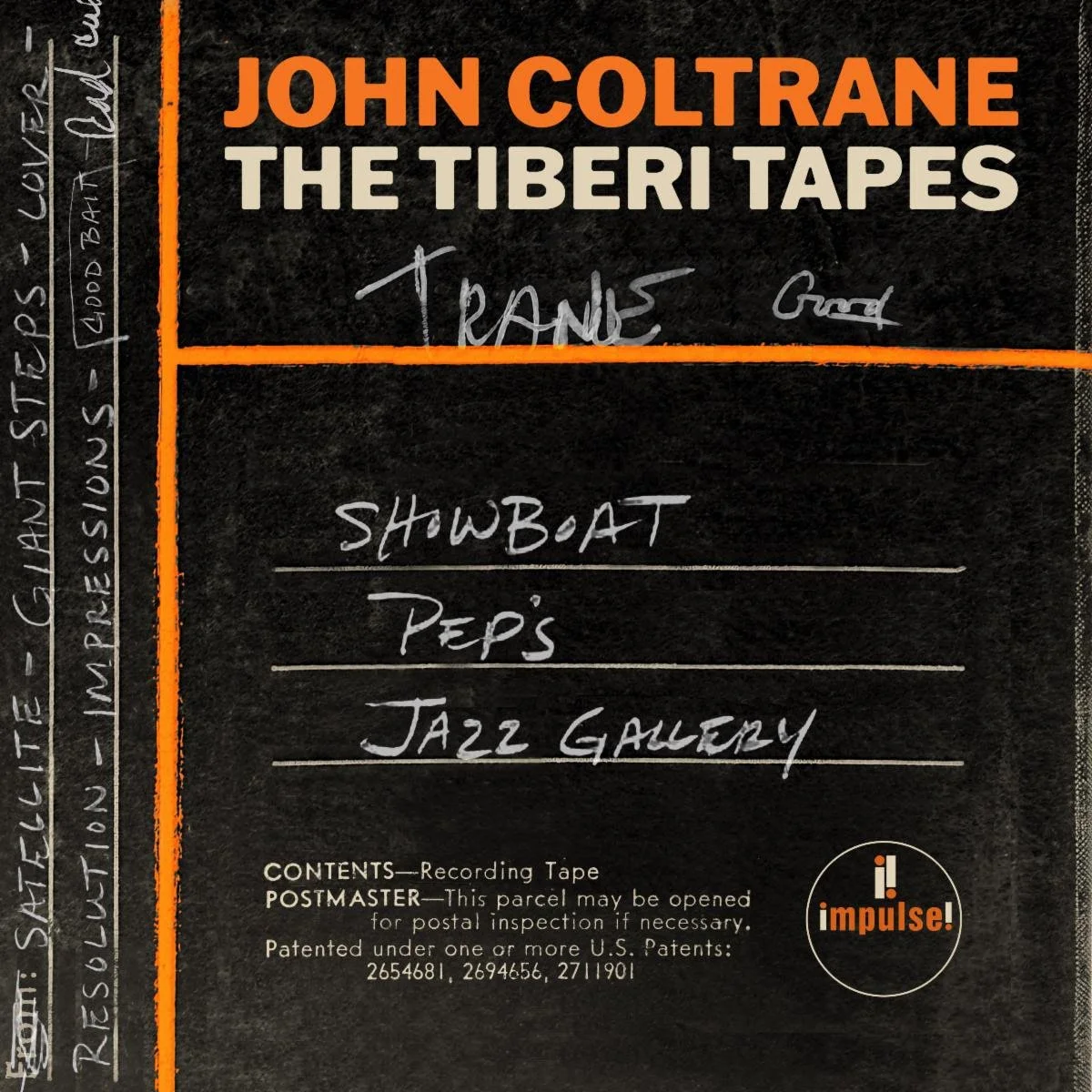
My right ear was inoperative for the next two days. The initial period of my recovery resembled the horrendous sonics of The Tiberi Tapes. I gradually began to hear faint, low-fidelity sound amid jarring ambient noise, an unpleasant sensation that must be surmounted by first-time listeners to the newly released recordings of John Coltrane leading bands in Philadelphia in the early 1960s.
Grateful to hear anything four weeks after the Moroccan incident, I quickly adjusted to the pitiful fidelity of the eleven tracks on the revelatory three-hour album. (All 26 hours of the surreptitious live Coltrane recordings captured by Frank Tiberi on a Concertone TR-100 Transicorder will be available next year on a $500 USB drive. I’m tempted.)
The sound quality obligates listeners to fill in the gaps, an extra step I’m accustomed to taking while enjoying transfers from scratchy blues, jazz and opera 78s, as well as the seemingless bottomless well of Charlie Parker recordings. The relatively clear “Good Bait” is an exception. The clarity of Elvin Jones’ explosive drumming is akin to the thrashing my ears took in Fès.